

In the world of PC upgrades, few components offer as significant a performance boost as a SATA SSD. Solid State Drives have become the go-to solution for enhancing the speed and responsiveness of computers, whether for gaming, professional work, or everyday tasks. If you are still relying on traditional hard drives, you may be missing out on faster load times, improved data transfer rates, and an overall smoother computing experience.
Making the switch to a SATA SSD can be a game changer. With advancements in technology, these drives are not only more reliable than their older counterparts, but they also provide lightning-fast access to your files and applications. harddiskprice will explore everything you need to know about SATA SSDs, from selection and installation to the benefits of upgrading your system. Whether you're a seasoned tech enthusiast or a newcomer to the world of PC upgrades, you'll discover how unleashing the speed of a SATA SSD can transform your computing experience.
Understanding SATA SSD Technology
SATA SSDs, or Serial ATA Solid State Drives, represent a significant advancement in storage technology compared to traditional hard drives. Unlike HDDs that use spinning disks and mechanical arms to read and write data, SATA SSDs use flash memory, which allows for much faster access times and improved performance. This technology enables users to boot their operating system and load applications in a fraction of the time it would take with an HDD.
The SATA interface has been a standard for connecting storage devices for many years. Initially designed for hard disk drives, the SATA interface has adapted to accommodate SSDs effectively. One of the advantages of SATA SSDs is their widespread compatibility with a variety of systems, as they can easily connect to devices that support SATA connections, making them an excellent choice for upgrading older computers.
Despite SATA SSDs being faster than traditional hard drives, they are not as fast as NVMe SSDs, which use the PCIe interface for data transfer. However, Sata ssd offer significant benefits in terms of speed and reliability, making them a popular option for users looking to enhance their system's performance without the need for upgrading to more expensive NVMe drives.
Benefits of Upgrading to SATA SSDs
Upgrading to a SATA SSD dramatically improves your system's overall performance. Compared to traditional hard drives, SATA SSDs offer significantly faster data transfer speeds, which directly impacts the time it takes to boot your operating system, launch applications, and transfer files. This speed enhancement translates into a smoother and more responsive computing experience, allowing users to multitask efficiently and access files almost instantly.
Another compelling advantage of SATA SSDs is their durability and reliability. Unlike mechanical hard drives that contain moving parts, SSDs are built with flash memory, making them less susceptible to physical damage from bumps or drops. This resilience not only protects your data but also reduces the likelihood of drive failure, providing you with greater peace of mind. As a result, upgrading to a SATA SSD can be a wise investment for both personal and professional use.
Lastly, installation and compatibility are often straightforward when upgrading to SATA SSDs. Most modern motherboards support SATA connections, making it easy to integrate an SSD into your existing setup. This accessibility means that even those with minimal technical expertise can enjoy the impressive benefits of a SATA SSD. Whether Sandisk ssd are enhancing your gaming rig or boosting productivity in your workstation, the transition to a SATA SSD is not only beneficial but also user-friendly.
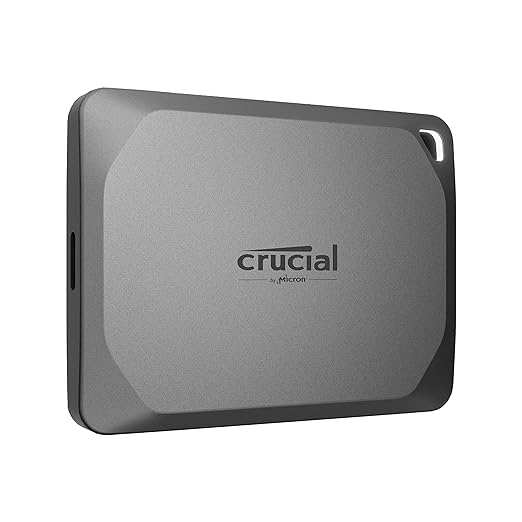
Choosing the Right SATA SSD for Your Needs
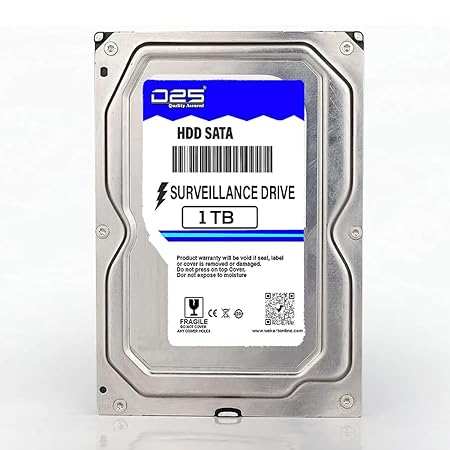
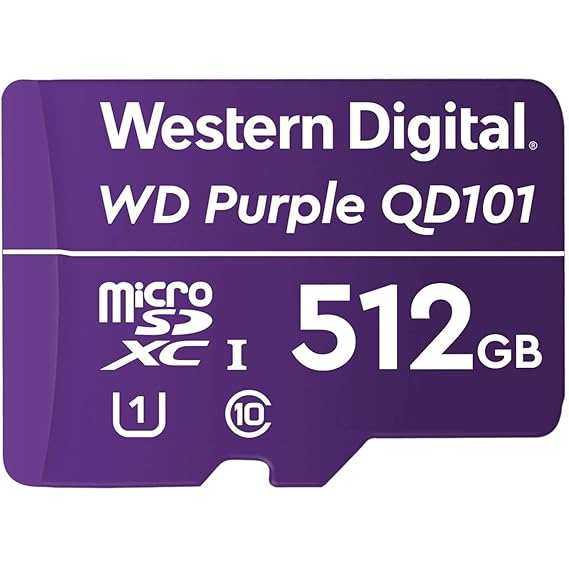
When selecting a SATA SSD, consider your storage capacity requirements. SATA SSDs come in various sizes, typically ranging from 120GB to 4TB or more. For basic tasks such as web browsing and document storage, a smaller drive may suffice. However, for gaming or heavy multimedia use, opt for larger capacities to ensure you have ample space for your applications, files, and games.
Speed is another crucial factor to consider. While SATA SSDs are generally faster than traditional hard drives, there are still differences in performance among them. Look for SSDs with high read and write speeds, particularly if you will be running applications that require quick data access. It's also essential to check the drive's endurance ratings, which indicate how long the SSD can perform before it may start to wear out.
Lastly, don't overlook the importance of brand reputation and warranty. Invest in a SATA SSD from a reputable manufacturer known for reliability and customer support. Longer warranties can also give you peace of mind, as they often indicate the manufacturer's confidence in their product. By combining these considerations, you can choose a SATA SSD that aligns perfectly with your performance and storage needs, ensuring a smooth upgrade for your PC.